Built by a teacher. Grounded in practice.
MindMaps Education exists because the adults who look after children deserve to be looked after too. This is where that belief came from.
Help teachers and schools build the infrastructure that keeps great people in the profession.
We believe that investing in teachers' mental and emotional health doesn't just help teachers — it creates a ripple effect across the whole school community. Staff who feel supported teach better. Children in those classrooms learn better. Families feel it too.
Narrative learning
We use storytelling, real-world examples, and personal reflection to create learning that sticks. Good pedagogy is the same whether the learner is eight or forty-eight.
Connection and relationship
Strong relationships are the foundation of every effective school. Our work strengthens the bonds between teachers, leaders, parents, and pupils — because wellbeing doesn't live in a module, it lives in a culture.
A rising tide lifts all ships
When teachers are energised, focused, and supported, the whole school benefits. We don't work on individuals in isolation — we build the conditions that allow everyone to thrive.
Prevent and prepare — not react and repair
The best support arrives before the crisis. Every MindMaps product is designed to build the habits, language, and infrastructure that catch people before they fall.
Four products. One framework.
All four built on the same model: State → Story → Strategy. The survey measures it. TeachWell builds it. The tools apply it. Coaching deepens it. See full pricing →
The person behind the work.
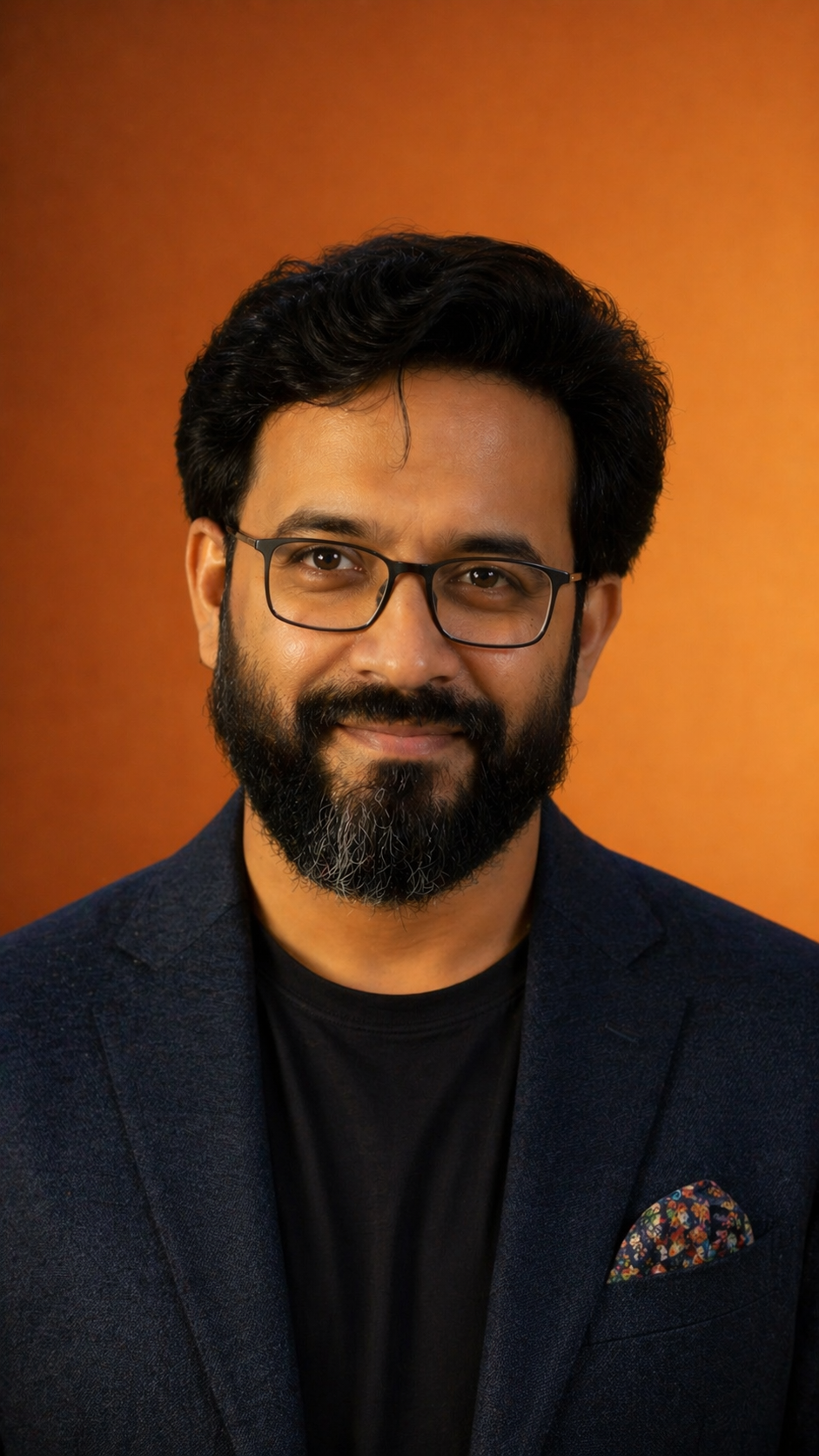
Arjun Davé
Founder, MindMaps Education — QTS · UCL PGCE · NLP Master Practitioner
My journey into teaching wasn't the usual one. Before I ever stood in front of a class, I spent years in sales and marketing — learning how people communicate, cope under pressure, and respond to challenge. After leaving that world, I travelled widely: spending time in street schools, visiting monasteries across different traditions, studying coaching, psychology and contemplative practice, and learning from communities where wellbeing and purpose are woven into daily life.
Those experiences shaped everything I now teach. I began training in self-development at 20 — coaching, emotional intelligence, behavioural frameworks, and mindfulness — all while navigating life as a dyslexic learner. When I eventually entered teaching, I realised just how crucial those tools really were.
"Across seven years in education — including a year travelling between schools as a supply teacher — I saw the same pattern everywhere, no matter the postcode or leadership style. Teachers were committed, overstretched, and often unsupported. Talented people were leaving. Not because they lacked resilience. Because the system was never designed to support them."
MindMaps Education is my attempt to change that. It brings together everything I've learned — coaching, wellbeing science, cognitive behavioural frameworks, reflective practice — into practical tools and programmes that help educators feel calmer, clearer, and more capable. And through the Classroom Tool Suite, it extends that same thinking directly into the hands of the children in their care — and the parents who support them at home.
I believe wellbeing is an ecosystem. When one person becomes more grounded, capable, or supported, everyone around them benefits. MindMaps exists to make that shift possible — at scale, inside schools, from the inside out.
Not a title. A journey.
Coaching Practitioner
Behavioural coaching certification — the start of two decades of training in how people change.
Advanced Coaching Practitioner
Advanced behavioural coaching certification — deepening the toolkit.
Applied Psychology & Coaching
Specialist coaching certification — the methodology that underpins FocusGrid and the State→Story→Strategy framework.
67 cities. 9 countries.
Monasteries, meditation, yoga, street schools, high-pressure work. Built the personal toolkit that underpins everything taught through MindMaps.
PGCE, UCL
Qualified teacher, Sutton SCITT programme.
Seven years in London primary schools
Year 5, Year 6, Head of Science. Tested every framework in real classrooms with real children — and real staffrooms.
MindMaps Education founded
Launched TeachWell, the Classroom Tool Suite, and the MindMaps Staff Wellbeing Survey System — the tools I wish I'd had from day one.
Launched full tools suite and wellbeing hub
Having gathered responses from teachdrs and leaders across education, we have now launched a full product suite. Wellbeing trackers, classroom tools, games and the full online self-paced wellbeing suite.
Book Launch - BookHook Curriculum
Based on narrative learning we are developing a series of books following a small group of friends as they explore the world year by year through experiences both in and out of school. Fully integrating self-development tools with reflection activities and direct links to the National Curriculum
The principles behind everything.
Wellbeing is structural, not supplementary
You can't bolt wellbeing onto a broken system. It has to be embedded into how the school operates — its language, its rhythms, its everyday decisions.
Behaviour is information, not defiance
In pupils and in staff. When someone is struggling, the behaviour is the signal. Our job is to read it — and respond to the root, not the surface.
Prevention beats repair
The best support arrives before the crisis. We build the habits, tools, and culture that catch people before they fall — not after.
Practice over theory
Every tool in MindMaps has been used in real classrooms and real staffrooms. If it doesn't work under pressure, it doesn't make the cut.
Every journey starts with a conversation.
Whether you're exploring what MindMaps could do for your school, or just want to understand the approach — a 30-minute call is the right starting point. No pitch. Just honest.